ByJohn A
How a Cloud Kitchen Model Is Reshaping Hong Kong’s Food Delivery Scene
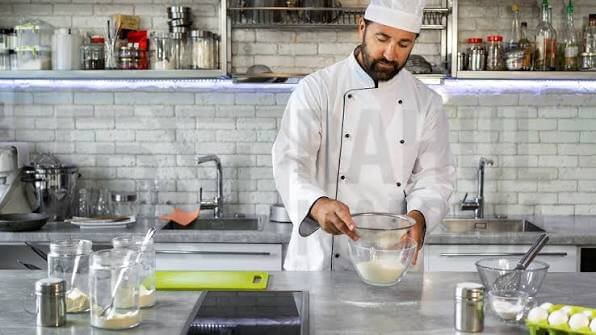
The rise of delivery-first dining has fundamentally changed how food businesses think about physical space, and a cloud kitchen model sits right at the centre of that shift. Rather than investing in a traditional storefront with dining space, operators run entirely from a kitchen facility optimised purely for delivery orders.
Why This Model Has Gained Traction
Traditional restaurant economics in a city like Hong Kong are challenging, with high rents and limited space making it difficult for smaller food businesses to launch or expand profitably. Delivery-only kitchens sidestep much of that overhead by eliminating the need for customer-facing dining areas, front-of-house staff, and prime retail locations.
This has opened the door for smaller, more specialised food brands to launch with significantly lower upfront investment, while still reaching customers across a wide delivery radius through established food delivery platforms.
How Shared Facilities Work
Multiple Brands, One Kitchen
Many delivery-focused kitchen facilities house multiple food brands operating out of shared infrastructure, allowing operators to access professional-grade equipment without the capital expense of building out an entire kitchen independently.
Operational Support
Beyond just physical space, many facilities also offer logistical support, including order management systems and delivery platform integration, which reduces the operational burden on individual food businesses running out of the shared space.
Benefits for New and Existing Food Businesses
For entrepreneurs testing a new concept, this model offers a lower-risk way to validate demand before committing to a full traditional restaurant buildout. Established restaurants also use delivery-only kitchens to expand into new neighbourhoods without the cost of opening an additional full-service location.
Providers such as cloud kitchen have built infrastructure specifically designed to support this kind of flexible, delivery-focused food business model in Hong Kong’s competitive market.
Challenges Worth Considering
This model is not without its challenges. Without a physical storefront, brand visibility relies almost entirely on delivery platform rankings and digital marketing, meaning operators need a strong understanding of online customer acquisition to succeed. Consistency in food quality also becomes especially important, since a poor delivery experience can quickly damage a brand’s reputation on review-driven platforms.
See also: Are Peptides Steroids? Clearing Up the Confusion
Looking Ahead
As delivery continues to represent a growing share of overall food spending in dense urban markets like Hong Kong, this model is likely to keep expanding, offering an increasingly viable path for food entrepreneurs who want to focus on culinary quality without the burden of traditional restaurant overhead.
Frequently Asked Questions
Is this model only suitable for new food businesses?
No, established restaurants also use this model to expand delivery coverage into new areas without opening additional full-service locations.
How does food quality compare with traditional restaurant kitchens?
Facilities are generally equipped to professional restaurant standards, so food quality depends primarily on the operator’s own recipes and processes rather than any limitation of the facility itself.
Do operators need their own delivery drivers?
Most operators rely on established third-party delivery platforms rather than maintaining their own delivery fleet, simplifying logistics considerably.
Final Thoughts
For food entrepreneurs and established brands alike, delivery-focused kitchen models offer a genuinely practical way to reach customers in a dense, competitive market without the traditional costs and constraints of a physical storefront.